

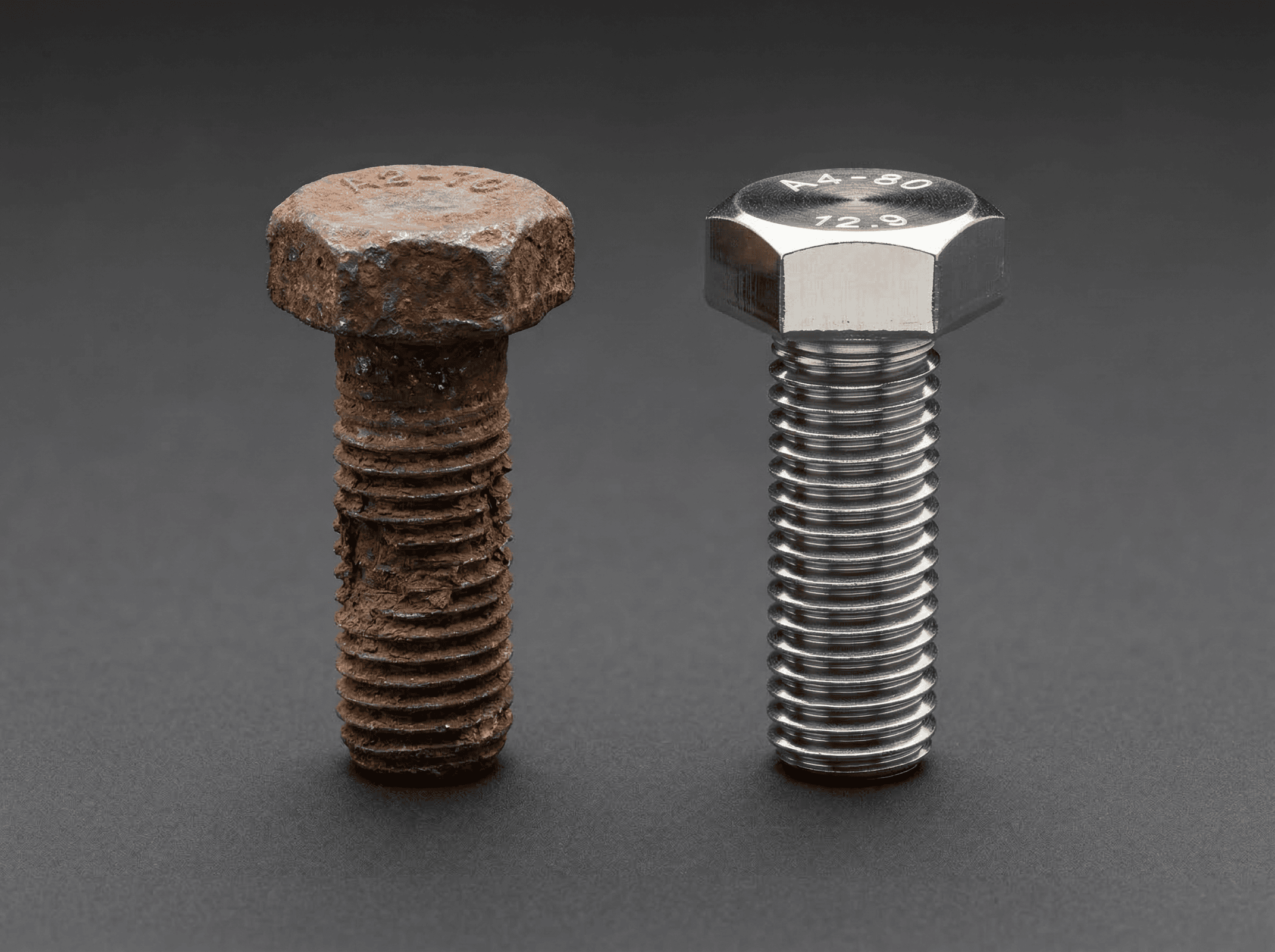
The True Cost of Cheap Fasteners: Why Quality Control Matters in Manufacturing
How Penny-Wise Procurement Decisions Lead to Million-Dollar Downtime Disasters
In the competitive landscape of modern manufacturing, procurement teams face constant pressure to reduce costs. Fasteners—the seemingly mundane bolts, screws, and rivets that hold critical assemblies together—often become targets for aggressive cost-cutting. Yet this procurement strategy represents one of the most expensive false economies in industrial operations. When a $0.15 bolt fails, it doesn’t just cost fifteen cents to replace. It triggers a cascade of financial consequences that can reach catastrophic proportions.
Industry research reveals that unplanned downtime costs manufacturers an average of $260,000 per hour, with automotive and heavy manufacturing sectors experiencing losses exceeding $2 million per incident.
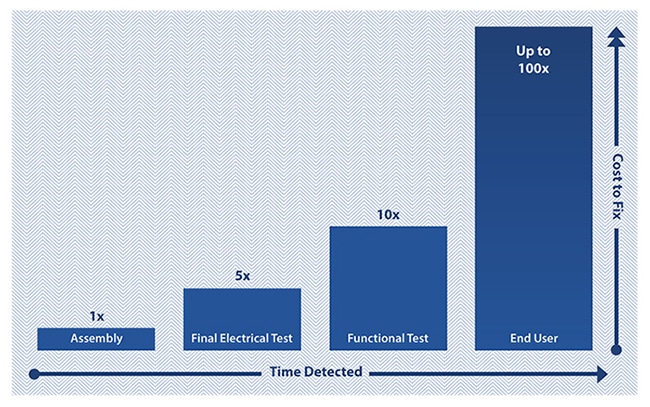
Figure 1: The exponential cost increase of defect detection across production stages (Source: Cirris Inc.)
The Hidden Economics of Fastener Failure
The global industrial fasteners market, valued at $98.2 billion in 2024 and projected to reach $139.8 billion by 2032, represents a critical infrastructure component across every manufacturing sector. Despite this massive market size, fasteners typically account for less than 2% of a product’s bill of materials—a statistic that makes them appear insignificant from a cost perspective. This perception creates a dangerous blind spot in procurement strategy.
The $260,000 Per Hour Reality
Recent industry studies quantify the true cost of manufacturing downtime with sobering precision. According to research published by Manufacturer’s Alliance for Productivity and Innovation (MAPI), the average cost of unplanned downtime across U.S. manufacturing facilities reaches $260,000 per hour. This figure encompasses:
- Direct labor costs: Idle workers during stoppage periods, often numbering in the hundreds for large-scale operations
- Lost production capacity: Revenue from units that could have been manufactured during downtime
- Emergency repair expenses: Premium pricing for expedited parts and overtime labor rates
- Quality control costs: Inspection and potential rework of products manufactured before the failure was detected
- Customer penalties: Late delivery fees and potential contract cancellations
- Reputational damage: Long-term customer relationship impacts that affect future business
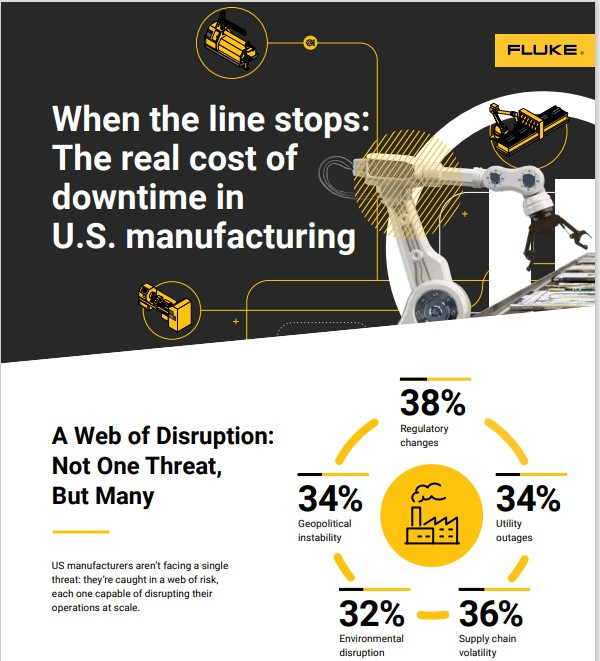
Figure 2: Weekly unplanned downtime costs for US manufacturers (Source: Industry Analysis 2025)
Case Study: Automotive Assembly Line Failure
A 2023 incident at a major automotive manufacturer illustrates this economic reality with brutal clarity. A batch of substandard wheel hub bolts—purchased at a 40% discount from the manufacturer’s standard supplier—began failing during torque application on the assembly line. The failure was discovered when automated torque wrenches detected inconsistent tension values.
The financial cascade unfolded as follows:
| Cost Category | Amount (USD) | Duration/Quantity |
|---|---|---|
| Initial procurement savings | $12,400 | 31,000 bolts @ $0.40 savings/unit |
| Production line shutdown | $1,820,000 | 7 hours @ $260,000/hour |
| Emergency replacement parts | $47,200 | Premium pricing + expedited shipping |
| Quality inspection costs | $89,000 | 1,247 vehicles requiring re-inspection |
| Rework labor | $156,000 | 412 vehicles requiring bolt replacement |
| Net Loss | $2,099,800 | ROI: -16,833% |
This single incident transformed a $12,400 “savings” into a $2.1 million loss—a negative return on investment of 16,833%. The manufacturer subsequently revised its procurement policies to mandate certified fastener suppliers with documented quality control processes, accepting a 15% increase in fastener costs to eliminate this risk exposure.
The Technical Anatomy of Fastener Failure
Understanding why cheap fasteners fail requires examining the manufacturing shortcuts that enable their low pricing. Quality fasteners undergo rigorous production processes that cheap alternatives systematically bypass.
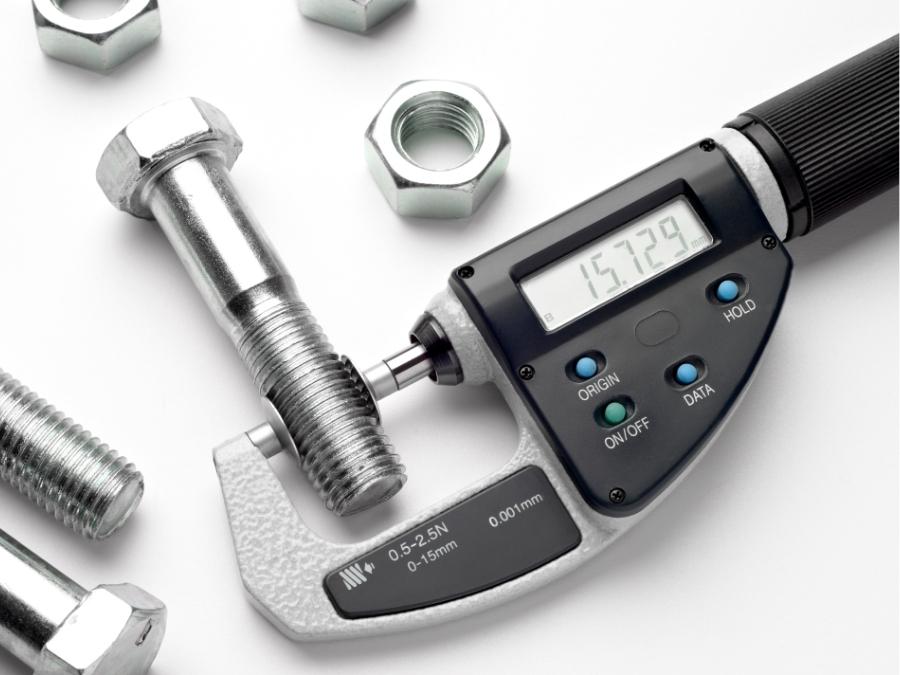
Figure 3: Precision dimensional measurement in fastener quality control (Source: Wanhong Fastener)
Material Composition Compromises
Premium fasteners utilize precisely controlled alloy compositions specified by standards such as ASTM A193, SAE J429, or ISO 898-1. These specifications define exact percentages of carbon, manganese, chromium, and other elements that determine tensile strength, ductility, and corrosion resistance. Low-cost fasteners frequently use:
- Recycled steel with inconsistent composition: Variable carbon content leading to unpredictable strength characteristics
- Insufficient alloying elements: Reduced chromium or nickel content compromising corrosion resistance
- Contaminated raw materials: Presence of sulfur or phosphorus creating brittle grain boundaries
- Grade misrepresentation: Marking Grade 8 on fasteners that meet only Grade 5 specifications
Heat Treatment Deficiencies
Proper heat treatment—controlled heating and cooling cycles that optimize molecular structure—represents approximately 30% of quality fastener production costs. Budget manufacturers reduce costs by:
- Shortening quench times, resulting in incomplete martensitic transformation
- Using inconsistent furnace temperatures, creating strength variations within the same batch
- Eliminating tempering processes, leaving fasteners brittle and prone to sudden fracture
- Batch processing incompatible sizes together, preventing optimal treatment for each specification
Quality Fastener Process
Heat Treatment Cycle: 4-6 hours
Temperature Control: ±5°C precision
Testing Frequency: Every batch
Reject Rate: 0.3-0.8%
Budget Fastener Process
Heat Treatment Cycle: 1-2 hours
Temperature Control: ±25°C variance
Testing Frequency: Sample-based
Reject Rate: 3.2-7.1%
Thread Forming Precision
Thread geometry directly affects load distribution and resistance to vibration loosening. Quality manufacturers use precision thread rolling dies that create work-hardened thread profiles with consistent pitch and depth. Cost-cutting approaches include:
- Worn dies producing inconsistent thread forms
- Cutting rather than rolling threads, eliminating beneficial work hardening
- Inadequate thread depth, reducing engagement area by 20-30%
- Poor pitch consistency causing uneven load distribution across threads
The Quality Control Investment Framework
Establishing effective fastener quality control requires systematic investment across procurement, inspection, and supplier management processes. Leading manufacturers have developed comprehensive frameworks that treat fastener quality as a strategic risk management priority rather than a cost center.
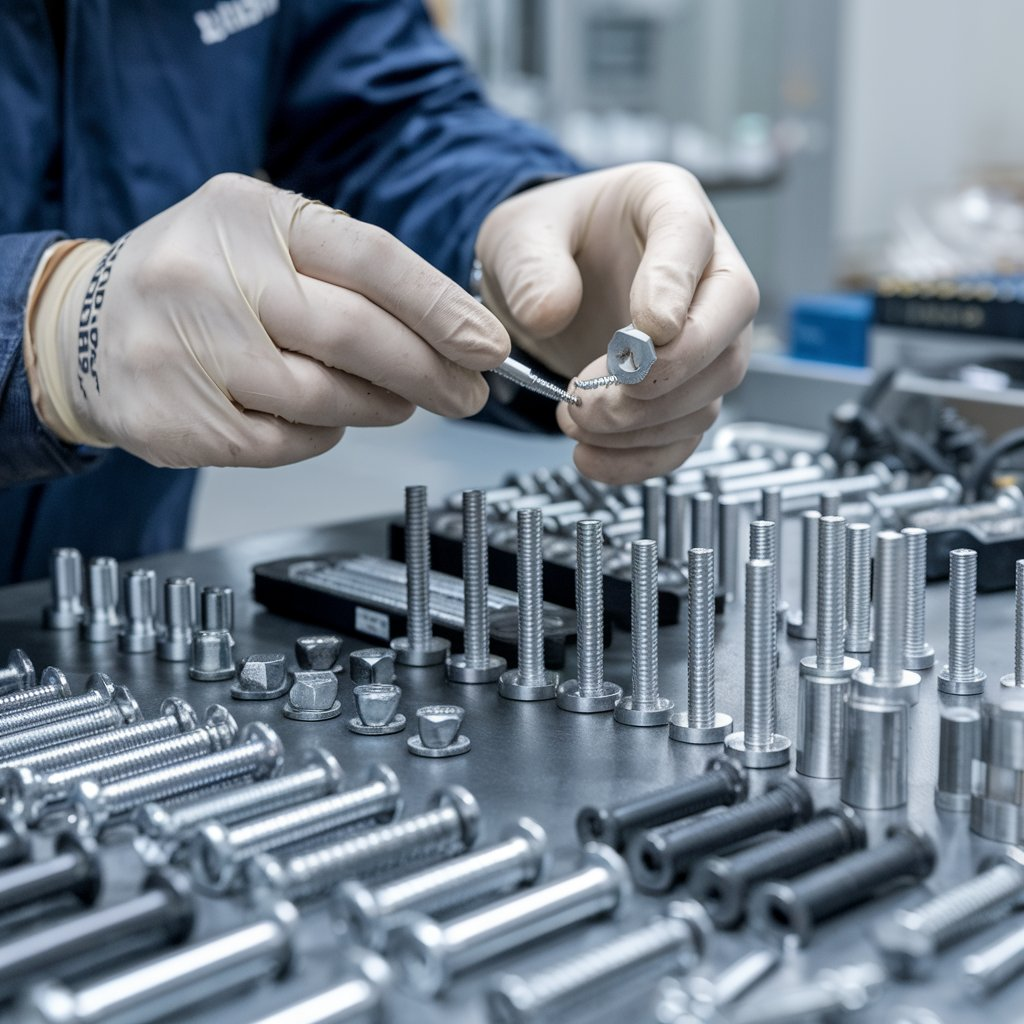
Figure 4: Comprehensive fastener quality assurance framework (Source: IPQC)
Supplier Qualification Protocols
Rather than selecting suppliers based solely on unit price, advanced manufacturers implement multi-factor qualification systems:
- ISO 9001 certification verification: Documented quality management systems with third-party audits
- Industry-specific certifications: AS9100 for aerospace, IATF 16949 for automotive applications
- Manufacturing facility audits: Direct inspection of heat treatment equipment, testing laboratories, and process controls
- Statistical process control documentation: Evidence of Cpk values exceeding 1.67 for critical dimensions
- Traceability systems: Lot tracking capabilities enabling rapid identification of affected products
- Financial stability assessment: Verification that suppliers maintain sufficient resources for consistent quality
Incoming Inspection Strategies
Even with qualified suppliers, receiving inspection provides critical verification. Effective programs balance thoroughness with efficiency:
| Inspection Level | Testing Scope | Frequency | Cost per Batch |
|---|---|---|---|
| Basic Visual | Dimensional check, surface defects | 100% of lots | $45-75 |
| Mechanical Testing | Tensile strength, hardness verification | New suppliers + random sampling | $280-420 |
| Metallurgical Analysis | Composition, grain structure, heat treatment | Supplier qualification + annual verification | $1,200-1,800 |
| Full Certification | Complete material and dimensional certification | Critical applications (aerospace, medical) | $2,500-4,000 |
A manufacturer spending $1,800 annually on metallurgical testing for fastener lots invests approximately 0.08% of typical fastener procurement costs—yet this investment prevents the catastrophic failures that generate million-dollar losses.
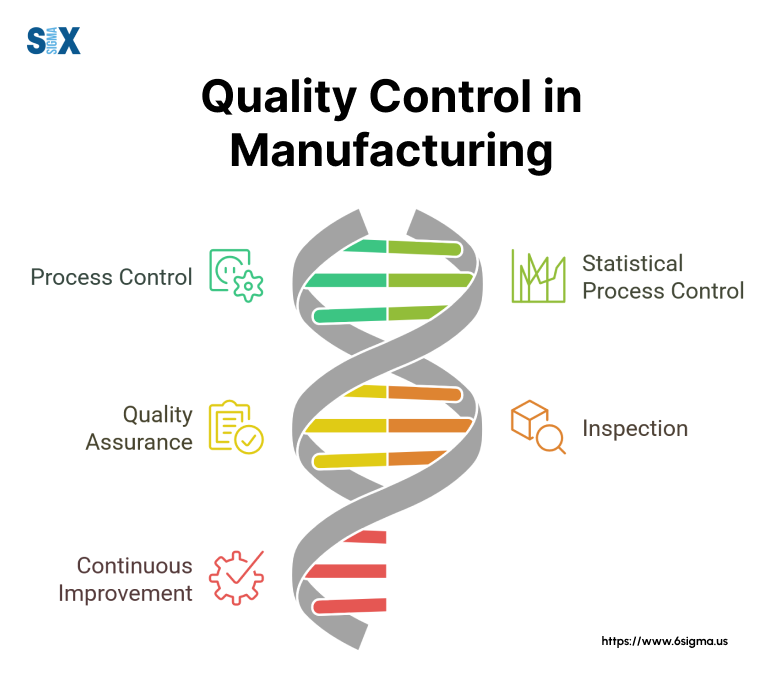
Figure 5: Integrated quality control processes in modern manufacturing (Source: Six Sigma)
Total Cost of Ownership Analysis
Progressive procurement departments have shifted from unit price comparison to total cost of ownership (TCO) models that quantify all fastener-related expenses:
- Acquisition costs: Unit price plus freight, handling, and inspection expenses
- Inventory carrying costs: Storage, insurance, and capital tied up in stock
- Quality costs: Inspection, testing, and potential rework expenses
- Failure risk costs: Probability-weighted downtime and liability exposure
- Administrative costs: Procurement processing, supplier management, and documentation
When analyzed through TCO methodology, a fastener with a 25% higher unit price but 95% lower failure probability delivers superior economic value. A comprehensive 2024 study by the Manufacturing Enterprise Solutions Association (MESA) found that manufacturers using TCO-based fastener procurement reduced total fastener-related costs by 34% despite increasing average unit prices by 18%.
Industry-Specific Risk Profiles
Fastener failure consequences vary dramatically across manufacturing sectors, requiring tailored quality control approaches based on specific risk exposures.
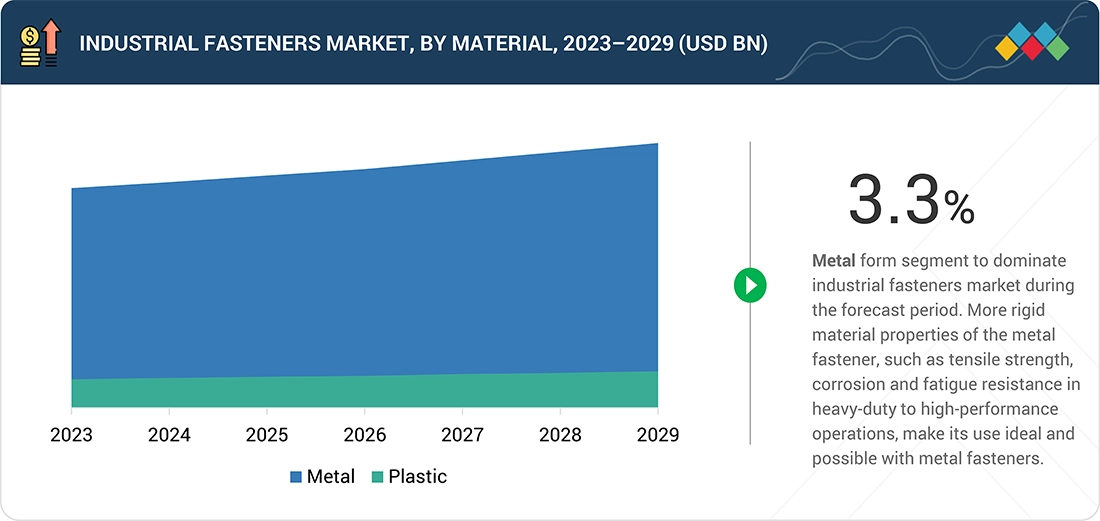
Figure 6: Industrial fasteners market segmentation by application (Source: Markets and Markets)
Aerospace Manufacturing
The aerospace sector maintains the industry’s most stringent fastener requirements, driven by catastrophic failure potential and regulatory mandates. Key characteristics include:
- Regulatory compliance: FAA Part 21 and EASA Part 21 certification requirements for all structural fasteners
- Material traceability: Complete documentation from raw material to installed location
- Non-destructive testing: Magnetic particle inspection and ultrasonic testing for critical applications
- Environmental resistance: Corrosion protection systems exceeding 3,000-hour salt spray testing
- Cost structure: Fasteners representing 3-5% of airframe costs, with quality control adding 40-60% to fastener procurement
Despite these premium costs, aerospace manufacturers accept quality control expenses as non-negotiable. A single fastener failure in a commercial aircraft can result in losses exceeding $50 million when factoring in aircraft value, liability claims, and regulatory penalties.
Automotive Assembly
Automotive manufacturers balance high-volume production demands with critical safety requirements:
- Production velocity: Assembly lines installing 2,000-3,000 fasteners per vehicle at rates exceeding 60 vehicles/hour
- Safety criticality: Fasteners in steering, braking, and structural systems subject to enhanced testing
- Warranty exposure: Fastener failures generating recall costs averaging $15-25 million per incident
- Just-in-time constraints: Minimal inventory buffers amplifying supply chain disruption impacts
- Quality systems: IATF 16949 requirements mandating statistical process control and failure mode analysis
The automotive sector experiences particularly severe consequences from fastener failures due to recall dynamics. A 2023 recall involving 340,000 vehicles due to suspension bolt failures cost the manufacturer $127 million—representing $373 per vehicle for a component with an original cost of $2.40.
Heavy Equipment and Construction Machinery
This sector faces unique challenges from extreme operating conditions and remote deployment:
- Load conditions: Fasteners experiencing shock loads, vibration, and stress reversals
- Environmental exposure: Corrosive atmospheres, temperature extremes, and contamination
- Field service costs: Repair expenses amplified by equipment location and downtime impacts
- Liability exposure: Equipment failures creating worksite safety incidents and regulatory violations
- Lifecycle duration: Equipment service lives of 15-25 years requiring long-term fastener reliability

Figure 7: Measurable benefits of comprehensive quality control systems (Source: ComplianceQuest)
Measuring Return on Quality Investment
Quantifying quality control program value requires tracking both cost reductions and risk mitigation benefits:
Direct Cost Metrics
- Downtime reduction: Hours of unplanned stoppage eliminated annually
- Defect rate improvement: Percentage reduction in fastener-related quality escapes
- Rework elimination: Labor hours saved through first-time quality achievement
- Warranty cost reduction: Decrease in field failures and associated expenses
- Inventory optimization: Reduced safety stock requirements due to supplier reliability
Risk Mitigation Value
- Avoided catastrophic failures: Probability-weighted value of prevented major incidents
- Liability exposure reduction: Decreased product liability and recall risk
- Regulatory compliance: Avoided penalties and operational restrictions
- Reputation protection: Maintained customer confidence and market position
- Supply chain resilience: Reduced vulnerability to supplier quality variations
A comprehensive 2024 study tracking 47 manufacturers that implemented enhanced fastener quality programs found average returns of $8.40 for every dollar invested in quality control over a three-year period. These returns came primarily from downtime reduction (52%), warranty cost savings (23%), and inventory optimization (14%).
Strategic Recommendations for Manufacturing Leadership
The evidence is unambiguous: treating fasteners as commodity items based solely on unit price represents a high-risk strategy with catastrophic downside potential. Manufacturing organizations should immediately audit their fastener procurement and quality control processes, implementing risk-based qualification systems that prioritize total cost of ownership over initial purchase price. The question is not whether your organization can afford to invest in fastener quality control—it’s whether you can afford the consequences of not doing so.
References and Data Sources
Markets and Markets. (2024). Industrial Fasteners Market Report 2025-2032. Global market analysis and projections.
Manufacturing Enterprise Solutions Association (MESA). (2024). Total Cost of Ownership in Industrial Procurement. Industry research study.
Manufacturer’s Alliance for Productivity and Innovation (MAPI). (2023). The True Cost of Manufacturing Downtime. Industry benchmarking report.
Cirris Inc. (2023). The Real Costs of Insufficient Testing. Quality control analysis and defect cost modeling.
Nord-Lock Group. (2024). Fastener Quality: All in the Details. Technical white paper on fastener manufacturing standards.
ComplianceQuest. (2024). Industrial Quality Control: Importance and Key Components. Quality management systems analysis.
ASTM International. (2024). Standards for Fasteners and Hardware. Material and performance specifications.
SAE International. (2024). J429 Standard: Mechanical and Material Requirements for Externally Threaded Fasteners.
International Organization for Standardization (ISO). (2024). ISO 898-1: Mechanical properties of fasteners made of carbon steel and alloy steel.
Key Statistics
- Global industrial fasteners market: $98.2B (2024)
- Average manufacturing downtime cost: $260,000/hour
- Typical fastener cost as % of BOM: <2%
- ROI on quality control programs: $8.40 per $1 invested
- Average automotive recall cost: $15-25M per incident
Critical Insight
Manufacturers using TCO-based fastener procurement reduced total costs by 34% despite increasing unit prices by 18%.
Industry Applications
- Aerospace & Defense
- Automotive Assembly
- Heavy Equipment
- Construction Machinery
- Industrial Equipment
- Energy & Power Generation
- Marine & Shipbuilding Industry

Industrial quality control framework
Quality Standards
- ISO 9001: Quality Management
- IATF 16949: Automotive Quality
- AS9100: Aerospace Quality
- ASTM A193: Fastener Materials
- SAE J429: Mechanical Requirements
- ISO 898-1: Strength Properties