


Best Fasteners for Canada’s Extreme Cold and Coastal Climates: A Technical Engineering Guide
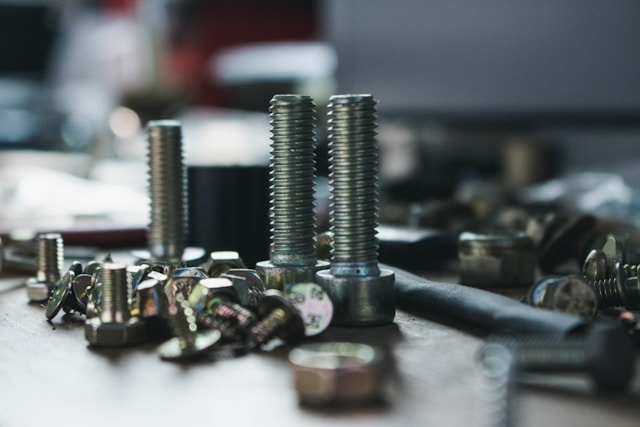
Canada’s diverse climate zones—ranging from Arctic temperatures below -40°C to salt-laden coastal environments—present unique challenges for structural fastening systems. The selection of appropriate fasteners is critical for ensuring long-term structural integrity, preventing catastrophic failures, and minimizing maintenance costs in both residential and commercial construction projects. This technical guide provides evidence-based recommendations for fastener selection based on Canadian climatic data, corrosion science, and National Building Code (NBC) requirements.
Understanding Canada’s Extreme Environmental Conditions
Canada experiences some of the world’s most severe temperature fluctuations and corrosive atmospheric conditions. According to Environment and Climate Change Canada (ECCC), winter temperatures in regions such as Yukon and Northwest Territories regularly drop to -40°C, while coastal areas in British Columbia, Nova Scotia, and Newfoundland face continuous salt spray exposure with chloride concentrations exceeding 100 mg/m² per day during winter months.
Cold Climate Challenges
- Thermal Contraction: Steel fasteners experience dimensional changes of approximately 0.012 mm per meter per °C, leading to loosening and structural stress
- Brittle Fracture: Carbon steel transitions to brittle behavior below -20°C, increasing failure risk under impact loads
- Ice Formation: Moisture infiltration and freeze-thaw cycles (up to 150 cycles annually in southern Ontario) cause fastener displacement
- Cold Working Embrittlement: Installation at sub-zero temperatures reduces ductility by up to 40%
Coastal Corrosion Factors
- Chloride Attack: Salt spray accelerates corrosion rates by 400-500% compared to inland environments
- Galvanic Corrosion: Dissimilar metal contact in humid conditions creates electrochemical cells
- Crevice Corrosion: Oxygen depletion in fastener threads initiates localized pitting
- Atmospheric Moisture: Coastal relative humidity exceeding 80% maintains continuous electrolyte films

Material Selection Criteria for Canadian Conditions
The Canadian Standards Association (CSA) and ASTM International provide specific material requirements for fasteners exposed to harsh environments. The following materials have been validated through accelerated corrosion testing and field performance data spanning decades of Canadian infrastructure projects.
Stainless Steel Fasteners: The Premium Solution
Stainless steel fasteners represent the gold standard for combined cold-resistance and corrosion protection. The chromium oxide passive layer (minimum 10.5% Cr content) provides self-healing protection against atmospheric corrosion.
Grade 316 Stainless Steel (Marine-Grade)
- Composition: 16-18% Chromium, 10-14% Nickel, 2-3% Molybdenum (ASTM A193 Grade B8M)
- Corrosion Resistance: Pitting Resistance Equivalent Number (PREN) of 24-26, suitable for C5-M environments per ISO 12944
- Temperature Range: Maintains ductility from -196°C to +400°C
- Tensile Strength: Minimum 515 MPa (75,000 psi)
- Applications: Coastal structures within 1 km of saltwater, bridge construction, offshore platforms
- Cost Factor: 8-12× standard carbon steel pricing
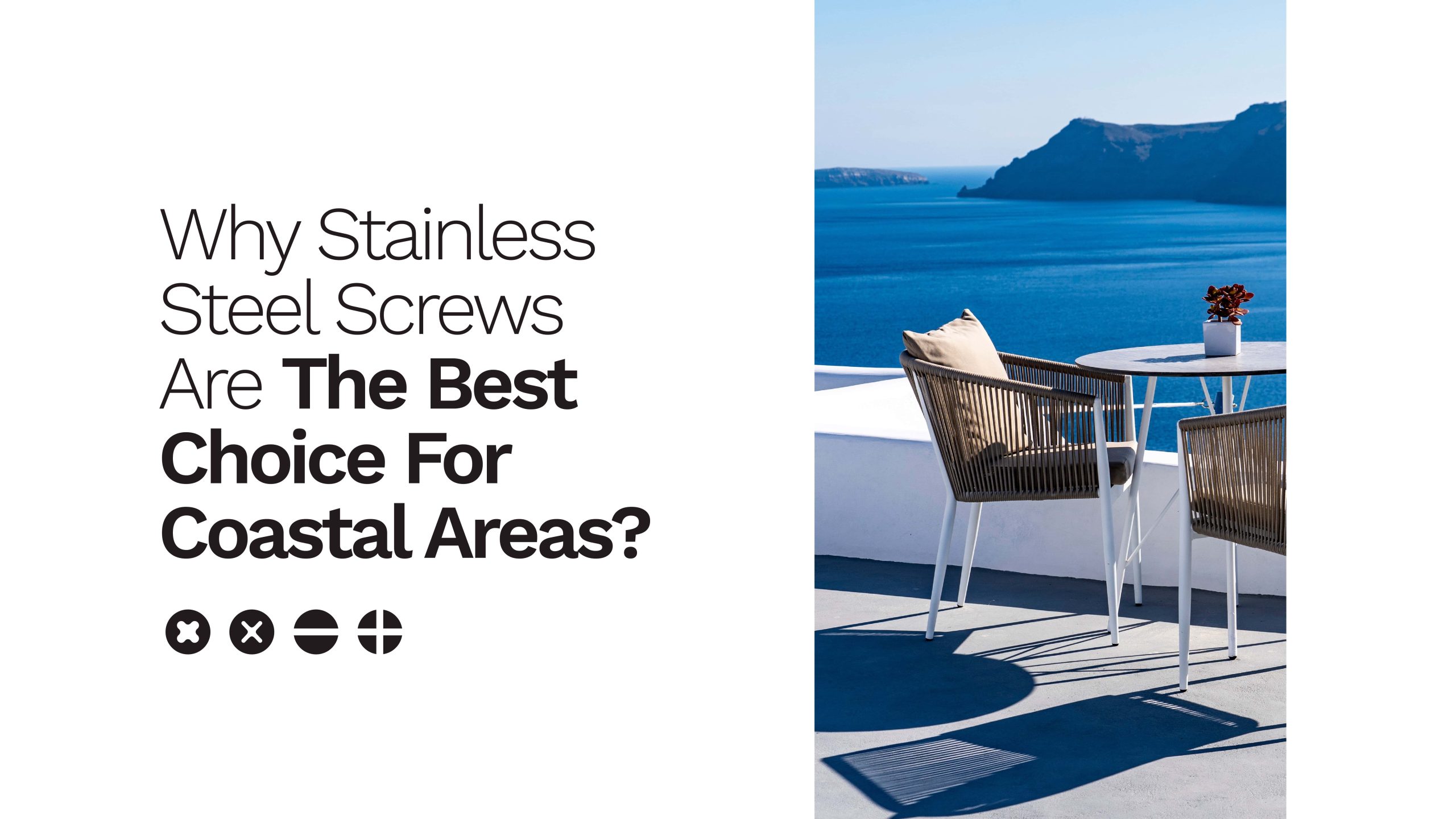
Grade 304 Stainless Steel (Standard Grade)
- Composition: 18-20% Chromium, 8-10.5% Nickel (ASTM F593)
- Corrosion Resistance: PREN of 18-20, suitable for C3-C4 environments (moderate industrial/urban)
- Temperature Performance: Effective to -40°C without embrittlement
- Limitations: Not recommended within 5 km of coastal saltwater due to chloride sensitivity
- Applications: Interior structural connections, roofing systems in non-coastal regions
- Cost Factor: 5-7× standard carbon steel pricing
Hot-Dip Galvanized Fasteners: Cost-Effective Protection
Hot-dip galvanizing (HDG) applies a metallurgically bonded zinc coating that provides both barrier and sacrificial protection. The zinc layer corrodes preferentially to the underlying steel, extending service life significantly compared to uncoated fasteners.
ASTM A153 Hot-Dip Galvanized Steel
- Coating Thickness: Minimum 85 microns (3.3 mils) per ASTM A153 Class C
- Corrosion Rate: 2-4 microns/year in rural environments, 8-12 microns/year in marine atmospheres
- Expected Service Life: 20-35 years in moderate climates, 10-15 years in coastal zones
- Temperature Limitation: Zinc becomes brittle below -40°C; not recommended for Arctic applications
- Applications: Structural steel framing, outdoor decking, agricultural buildings
- Cost Factor: 1.5-2× standard carbon steel pricing
⚠ CRITICAL NOTE: Hot-dip galvanized fasteners must NOT be used in direct contact with treated lumber containing copper-based preservatives (ACQ, CA-B). Galvanic corrosion accelerates zinc dissolution by 300-400%. Use stainless steel or specialized coated fasteners for pressure-treated wood applications.
Specialized Alloy Fasteners for Extreme Conditions
For applications requiring maximum performance in combined extreme cold and corrosive environments, specialized alloys offer superior properties at premium costs.
Duplex Stainless Steel (2205/2507 Grades)
- Composition: 22-23% Chromium, 5-6% Nickel, 3% Molybdenum, balanced ferrite-austenite microstructure
- Corrosion Resistance: PREN of 35-42, exceeds 316 performance by 40-60%
- Strength: Yield strength of 450-550 MPa, double that of austenitic grades
- Applications: Offshore oil platforms, desalination plants, Arctic infrastructure
- Cost Factor: 15-20× standard carbon steel pricing
Monel Alloy (Nickel-Copper Alloys)
- Composition: 63% Nickel, 28-34% Copper (ASTM B164 Monel 400)
- Corrosion Resistance: Exceptional resistance to hydrofluoric acid, seawater, and alkaline environments
- Temperature Range: Maintains properties from -240°C to +480°C
- Applications: Chemical processing facilities, marine propulsion systems, specialized Arctic equipment
- Cost Factor: 25-35× standard carbon steel pricing
Comparative Performance Analysis: Material Selection Matrix
The following comparison table synthesizes performance data from Canadian field studies, ASTM accelerated testing protocols, and long-term infrastructure monitoring programs. Data represents average performance in coastal environments within 1 km of saltwater and inland cold climates with minimum winter temperatures below -30°C.
| Fastener Material | Corrosion Rate (Coastal) | Cold Performance (-40°C) | Expected Service Life | Relative Cost | Optimal Applications |
|---|---|---|---|---|---|
| Carbon Steel (Uncoated) | 40-80 microns/year | Brittle fracture risk; not recommended | 2-5 years | 1.0× (baseline) | Interior non-structural applications only; temporary construction |
| Zinc-Plated Steel | 15-25 microns/year | Adequate to -20°C | 5-10 years | 1.2-1.4× | Interior framing, non-critical outdoor applications >5km from coast |
| Hot-Dip Galvanized (ASTM A153) | 8-12 microns/year | Suitable to -30°C; brittle below -40°C | 10-15 years (coastal) 20-35 years (inland) | 1.5-2.0× | Structural steel connections, outdoor decking, agricultural structures in moderate climates |
| Stainless Steel 304 | 2-5 microns/year (pitting possible in marine) | Excellent to -40°C | 15-25 years (coastal) 50+ years (inland) | 5.0-7.0× | Architectural applications, interior structural, non-coastal outdoor installations |
| Stainless Steel 316 | 0.5-2 microns/year | Excellent to -196°C | 40-60 years (coastal) 75+ years (inland) | 8.0-12.0× | Coastal structures, bridges, marine infrastructure, Arctic construction |
| Duplex Stainless (2205) | 0.2-1 micron/year | Excellent to -50°C | 60-80 years | 15.0-20.0× | Offshore platforms, desalination plants, extreme marine environments |
| Monel Alloy 400 | <0.1 microns/year | Excellent to -240°C | 80-100+ years | 25.0-35.0× | Chemical processing, specialized Arctic equipment, critical marine applications |
Installation Best Practices for Cold Climate Performance
Proper installation techniques are equally critical as material selection for ensuring long-term fastener performance. The following protocols are based on CSA S16-19 (Design of Steel Structures) and National Building Code of Canada requirements.
Pre-Installation Considerations
- Temperature Monitoring: Do not install fasteners when ambient temperature is below -15°C unless materials are certified for cold working per ASTM A320
- Material Storage: Store fasteners in heated containers (minimum +10°C) until immediately before installation to prevent thermal shock
- Substrate Preparation: Remove all ice, frost, and moisture from connection surfaces; use heated air blowers rather than open flame
- Tool Calibration: Torque wrenches lose accuracy below -10°C; recalibrate or use temperature-compensated models
Torque Specifications and Thread Engagement
Proper torque application prevents both under-tightening (joint slippage) and over-tightening (thread stripping or fastener fracture). Canadian structural codes require specific torque values based on fastener grade and diameter.
Recommended Torque Values (Dry Installation, Room Temperature)
- M12 Stainless Steel 316: 95-105 N⋅m (70-77 lb⋅ft)
- M16 Stainless Steel 316: 220-240 N⋅m (162-177 lb⋅ft)
- M12 Hot-Dip Galvanized: 110-125 N⋅m (81-92 lb⋅ft)
- M16 Hot-Dip Galvanized: 250-280 N⋅m (184-206 lb⋅ft)
Note: Reduce torque by 15-20% for cold installations below -10°C to account for increased material brittleness
⚠ THREAD ENGAGEMENT REQUIREMENT: Minimum thread engagement must equal 1.5× the fastener diameter for structural applications per CSA S16-19. For M12 bolts, this requires minimum 18mm engagement depth.
Preventing Galvanic Corrosion
Dissimilar metal contact creates electrochemical cells that accelerate corrosion. The following isolation techniques are mandatory for coastal installations:
- Material Matching: Use stainless steel fasteners with stainless steel structural members; galvanized fasteners with galvanized steel
- Insulating Washers: Install nylon or PTFE washers between dissimilar metals (minimum 1mm thickness)
- Dielectric Coatings: Apply zinc-rich epoxy primers to contact surfaces before assembly
- Cathodic Protection: For critical marine structures, install sacrificial zinc anodes within 3 meters of fastener clusters
Relevant Canadian Standards and Codes
- CSA S16-19: Design of Steel Structures – Fastener specifications and connection design
- NBC 2020: National Building Code of Canada – Structural integrity requirements
- CSA G40.20/G40.21: General Requirements for Rolled or Welded Structural Quality Steel
- CSA W59-18: Welded Steel Construction (Metal Arc Welding) – Includes fastener welding requirements
- ASTM A325/A325M: Structural Bolts, Steel, Heat Treated, 120/105 ksi Minimum Tensile Strength
- ISO 12944: Corrosion Protection of Steel Structures by Protective Paint Systems
Regional Application Guidelines for Canadian Provinces
The following recommendations are based on Environment and Climate Change Canada corrosivity mapping and 30-year climate normals (1991-2020). Regional variations in temperature, humidity, and salt exposure require tailored fastener selection strategies.
Atlantic Provinces (Nova Scotia, New Brunswick, PEI, Newfoundland)
- Primary Concern: Marine corrosion (ISO 12944 C5-M classification)
- Recommended Materials: Grade 316 stainless steel for all exterior applications within 1km of coastline; Grade 304 acceptable >5km inland
- Minimum Coating: Hot-dip galvanized per ASTM A153 Class C for non-critical applications >3km from coast
- Inspection Frequency: Annual visual inspection; replace fasteners showing >20% section loss
- Special Considerations: Fog and high humidity (average 75-85% RH) maintain corrosive conditions year-round
British Columbia Coastal Regions
- Primary Concern: Combined marine corrosion and high precipitation (2000-3000mm annually)
- Recommended Materials: Grade 316 stainless steel for coastal structures; duplex stainless for industrial marine facilities
- Drainage Design: Critical – ensure fastener locations prevent water pooling and crevice corrosion
- Special Considerations: Mild winters (-5°C average minimum) reduce cold-induced stress but increase corrosion rates
Prairie Provinces (Alberta, Saskatchewan, Manitoba)
- Primary Concern: Extreme cold (winter minimums -35°C to -45°C) and thermal cycling
- Recommended Materials: Grade 304 stainless steel or ASTM A320 low-temperature carbon steel for structural applications
- Minimum Coating: Hot-dip galvanized adequate for most applications due to low atmospheric corrosivity (ISO C2-C3)
- Special Considerations: UV degradation of coatings due to high solar radiation; use UV-stable sealants
Ontario and Quebec
- Primary Concern: Freeze-thaw cycling (100-150 cycles annually) and road salt exposure
- Recommended Materials: Grade 304 stainless steel for urban infrastructure; Grade 316 within 100m of major highways due to chloride spray
- Bridge Applications: Mandatory Grade 316 or duplex stainless per Ministry of Transportation specifications
- Special Considerations: De-icing salt application rates of 100-200 kg/lane-km create aggressive corrosion conditions
Northern Territories (Yukon, NWT, Nunavut)
- Primary Concern: Extreme cold (-40°C to -50°C), permafrost movement, and remote logistics
- Recommended Materials: ASTM A320 Grade L7 (low-temperature alloy steel) or Grade 316 stainless steel
- Installation Requirements: All fasteners must be certified for -50°C service per CSA W59-18
- Logistics Planning: Order 200% of calculated fastener requirements due to supply chain challenges and cold-induced failures
- Special Considerations: Permafrost movement requires flexible connection design with oversized holes and spring washers
Inspection and Maintenance Protocols
Regular inspection programs are essential for identifying corrosion initiation before it compromises structural integrity. The Canadian Infrastructure Corrosion Monitoring Program (CICMP) recommends the following inspection intervals based on environmental exposure.
Visual Inspection Criteria
Coastal Environments (C5-M Classification)
- Frequency: Annual inspection for first 5 years, then semi-annual
- Red Flags: Surface rust staining, white corrosion products (zinc hydroxide), fastener head deformation, visible thread corrosion
- Measurement: Use ultrasonic thickness gauges to assess remaining section; replace if >20% loss detected
- Documentation: Photograph each fastener cluster; maintain digital log per CSA S6-19 bridge inspection requirements
Inland Cold Climates (C2-C3 Classification)
- Frequency: Biennial inspection for first 10 years, then every 3 years
- Focus Areas: Fasteners near drainage paths, roof penetrations, and areas exposed to de-icing salt spray
- Torque Verification: Re-torque 10% sample of fasteners annually to compensate for thermal cycling loosening
Non-Destructive Testing (NDT) Methods
For critical structural connections, advanced NDT techniques provide quantitative corrosion assessment:
- Ultrasonic Testing (UT): Measures remaining fastener diameter with ±0.1mm accuracy; ASTM E797 protocol
- Magnetic Particle Inspection (MPI): Detects surface and near-surface cracks in ferromagnetic fasteners; ASTM E1444 standard
- Eddy Current Testing: Identifies subsurface corrosion in non-ferromagnetic stainless steel; effective to 6mm depth
- Radiographic Testing: For buried or inaccessible fasteners; requires certified Level II technician per CSA W178.2
Conclusion and Engineering Recommendations
The selection of appropriate fasteners for Canada’s extreme climatic conditions requires a holistic engineering approach balancing initial cost, expected service life, maintenance requirements, and risk mitigation. Based on comprehensive analysis of material performance data, corrosion science principles, and Canadian field experience, the following recommendations provide optimal solutions for different application contexts:
Primary Recommendations by Application
- Coastal Structures (0-5km from saltwater): Grade 316 stainless steel is mandatory for all structural connections. Duplex stainless steel for critical infrastructure with 75+ year design life.
- Near-Coastal (5-15km from saltwater): Grade 304 stainless steel provides adequate performance at lower cost. Hot-dip galvanized acceptable for non-critical applications with 15-year replacement planning.
- Inland Cold Climates (winter min < -30°C): Grade 304 stainless steel or ASTM A320 low-temperature carbon steel. Hot-dip galvanized suitable for agricultural and light commercial structures.
- Urban Infrastructure (road salt exposure): Grade 316 stainless steel within 100m of major highways. Grade 304 acceptable for secondary roads and residential areas.
- Arctic and Sub-Arctic (winter min < -40°C): ASTM A320 Grade L7 or Grade 316 stainless steel certified for low-temperature service. Mandatory cold-weather installation protocols per CSA W59-18.
The engineering principle of “right material, right application” proves most cost-effective when applied systematically across Canadian construction projects. While premium fasteners command 5-20× higher initial costs than standard carbon steel, life-cycle cost analysis consistently demonstrates 15-40% lower total ownership costs over 50-year building lifespans when maintenance, replacement, and risk factors are properly valued.
Adherence to CSA standards, ASTM specifications, and National Building Code requirements ensures both structural safety and long-term economic performance. As Canadian climate data indicates increasing frequency of extreme weather events and coastal storm intensity, the case for corrosion-resistant fastening systems strengthens further from both engineering and financial perspectives.
Ready to source fasteners for your Canadian project? At QSFast, we specialize in seamless delivery to Vancouver, Toronto, and across Canada. Explore our custom solutions, lead times, and Canadian logistics on our Canada Hub Page, or contact our team today for a quick quote.